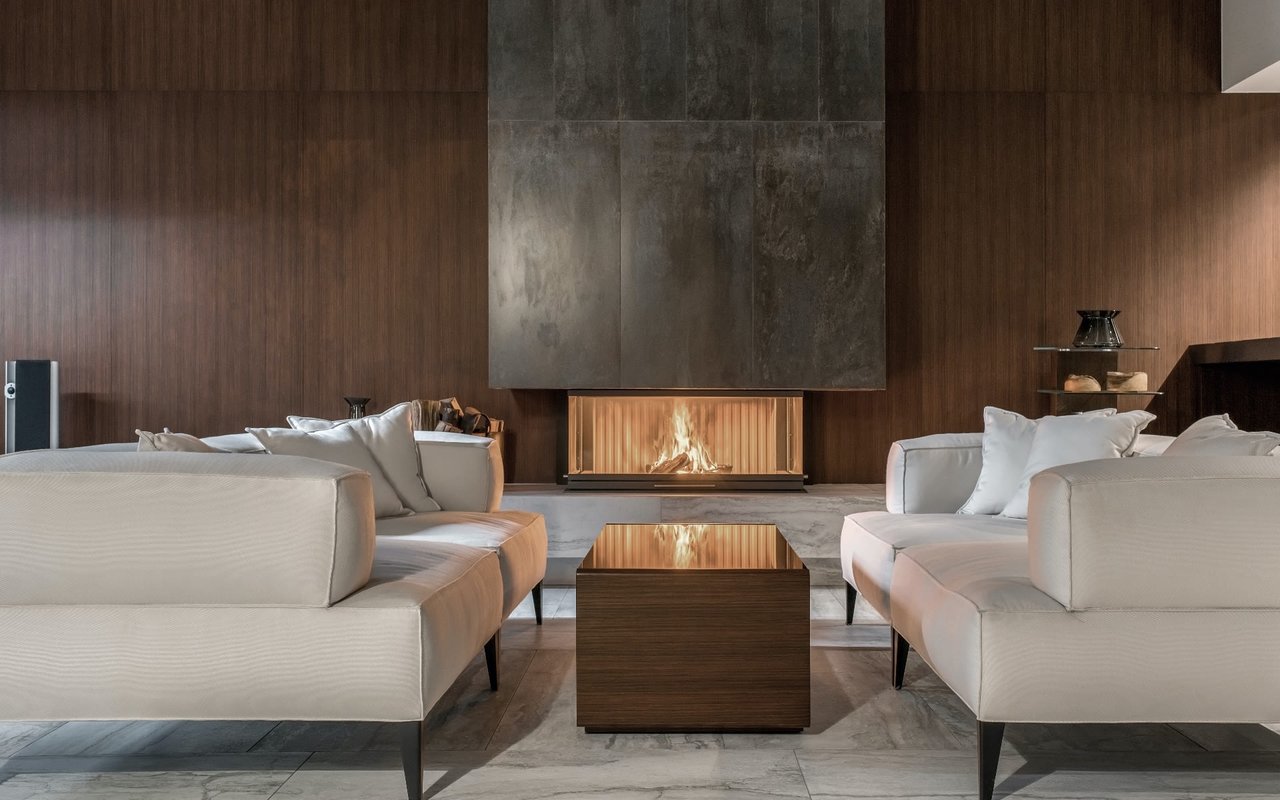
When searching for a home, one feature that's on many buyer's wish lists is a fireplace to cozy up to during the colder months. A crackling fire can make a house feel instantly more welcoming and homelike. However, before buying a home with a fireplace, it's important to look beyond its aesthetics and learn more to understand whether it's safe, efficient, and cost-effective.
Here's what you should know before buying a home with a fireplace this fall:
1. The Kind of Fireplace
Wood-burning fireplaces can have a more charming appeal with their more traditional aesthetic, but require more work to maintain, from stacking wood to cleaning ashes. On the other hand, gas and electric fireplaces may be less authentic but are convenient and require minimal maintenance.
2. Structural Safety
The fireplace's chimney, brickwork, and mortar joints should be inspected for cracks or deterioration, as these can pose fire hazards or lead to costly repairs. The firebox and flue should also be intact and properly lined to ensure the system is safe for use. Bringing in a certified inspector can give you peace of mind. Testing the drafting before purchase is a smart move, since repairs to ventilation systems can be expensive.
3. Ventilation and Drafting
A properly functioning fireplace should pull smoke up and out through the chimney without allowing it to seep into living spaces. Poor ventilation can cause smoky rooms, unpleasant odours, and even dangerous carbon monoxide buildup. Testing the drafting before purchase is a smart move, since repairs to ventilation systems can be expensive.
4. Maintenance History
Request documentation of past inspections, cleanings, and repairs, as a well-documented history demonstrates that the fireplace has been properly maintained. If records are missing, assume additional inspection and servicing may be necessary before regular use. A home seller who provides this paperwork is signalling that the fireplace was taken seriously.
5. Energy Efficiency
Older fireplaces often lose more heat than they produce, especially if they lack modern inserts or glass doors. Assess whether the fireplace contributes to energy savings or will simply serve as a decorative feature. In some cases, a retrofit can make a significant difference in efficiency and heating comfort.
6. Local Building Codes and Insurance
Fireplaces must comply with local building and safety codes, and an out-of-date installation could require costly upgrades. Some insurance companies may raise premiums or require inspection reports before covering homes with older wood-burning fireplaces. Checking these requirements in advance can save you from surprises after you move in.
7. Signs of Neglect
Look for soot buildup, odors, cracked masonry, or water stains, all of which signal a lack of maintenance. Excess creosote in wood-burning fireplaces is especially dangerous, as it's highly flammable and a leading cause of chimney fires.
8. Estimated Costs
You will want to find out what the average cost is for cleaning and inspections. The cost of repairs or upgrades — such as for liners, dampers, or insurants for the fireplace — is another consideration you will want to make. Lastly, compare long-term energy savings with these costs.
As long as it is safe, functional, and cost-effective, a fireplace is an excellent way to add value and comfort to your home. So if a fireplace is on your list of wants for your new home, just make sure to gather the necessary information before purchasing. That way, you can enjoy the warmth and soothing aroma stress-free, with no surprises.